Luxury Extended Stay Suites USA: The Definitive Enterprise Living Guide
The architectural geography of long-term professional deployment has undergone a fundamental structural realignment. When corporations relocate key personnel, engineering squads, or executive teams for multi-month assignments, the standard corporate apartment or mid-tier extended-stay hotel no longer satisfies modern expectations of function, security, and restoration. Across major commercial and metropolitan hubs within the United States, accommodations designed for high-end extended living must reconcile competing operational demands: absolute data security and acoustic privacy must coexist with residential-scale architectural volumes, high-end culinary infrastructure, and seamless hospitality management.
Evaluating premier extended-living assets requires looking past traditional hospitality metrics, surface-level interior staging, or consumer review aggregates. A property celebrated for luxury short-term leisure rentals can fail as an enterprise base due to unencrypted building automation systems, thin demising walls that compromise confidential phone calls, or a lack of dedicated on-site engineering support. Conversely, environments purpose-built for high-level extended deployment maintain sophisticated behind-the-scenes infrastructure designed to support long-duration occupancy, secure document management, and intricate domestic staging without operational friction.
This analysis examines the structural mechanics, historical evolution, and practical realities governing high-level long-term professional accommodations across the country. By moving past surface-level marketing narratives, we map out the operational frameworks that separate ordinary furnished apartments from true executive infrastructure, offering a comprehensive reference for professionals who view extended lodging as critical investments in workforce stability and productivity.
Understanding “luxury extended stay suites usa.”
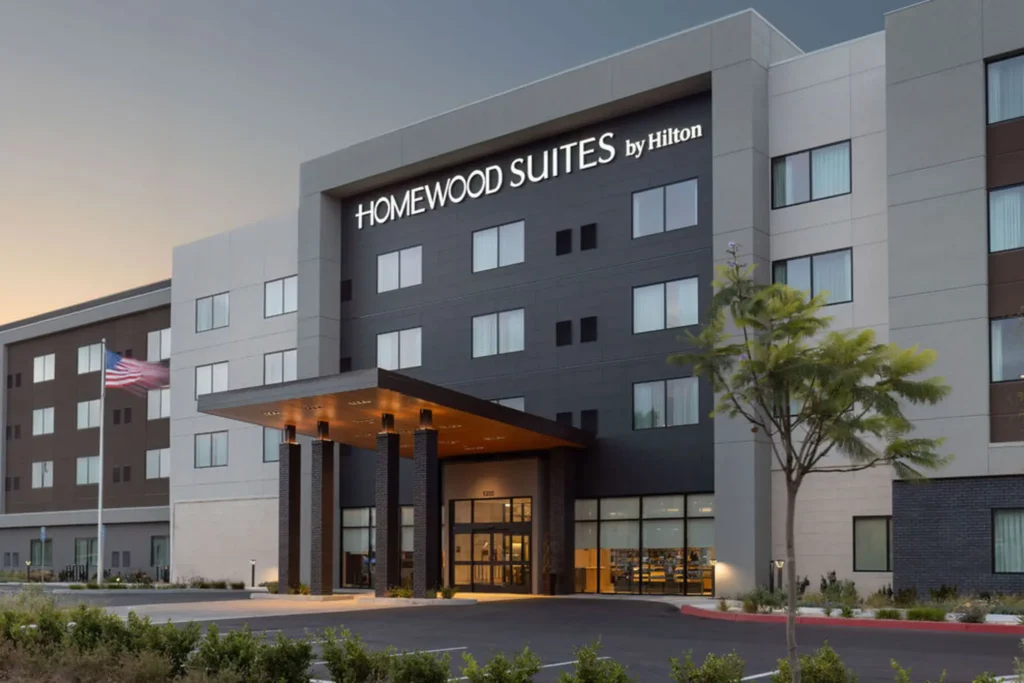
The phrase luxury extended stay suites usa evokes a familiar image of spacious urban penthouses, designer kitchens, and concierge-serviced residences where executives can comfortably settle for months at a time. Yet, dissecting this concept reveals a highly fragmented landscape shaped by municipal zoning laws, complex landlord-tenant regulations, short-term rental restrictions, and distinct corporate housing subcultures. A common misunderstanding assumes that any luxury boutique hotel offering weekly rates or a high-end condominium rental automatically qualifies as a premier corporate extended-stay asset. In practice, traditional hotels lack the functional domestic zoning—such as full-scale laundry facilities, multi-room acoustic separation, and bulk kitchen staging required for sustainable multi-month habitation.
Oversimplification also plagues how corporate housing managers evaluate these spaces, often reducing selection criteria to square footage, aesthetic styling, or immediate neighborhood walkability. While physical location remains vital, modern executive suites require dedicated fiber-optic network terminations, enterprise-grade HVAC zoning, secure package and mail handling, and discreet service cadences that protect sensitive commercial activities. Furthermore, regional lease structures and statutory tenancy rights introduce legal complexities that leisure travelers easily overlook but can severely disrupt corporate deployment stability.
Recognizing these operational nuances prevents costly misalignments between a property’s general ambiance and the specific strategic goals of a multi-month executive assignment. Identifying the ideal luxury extended stay suites USA requires balancing diverse residential infrastructure demands with uncompromising standards for privacy, technical redundancy, and service execution.
Deep Contextual Background
The lineage of extended-stay corporate housing in the United States traces back to the post-World War II suburban expansion and the subsequent rise of multi-state corporate headquarters. Originally, long-term business travelers relied on traditional residential apartment leases or extended stays in standard urban hotels, both of which presented severe financial and operational inefficiencies. Standard leases required rigid one-year commitments and extensive furniture leasing, while hotels lacked kitchen facilities and charged exorbitant daily rates for multi-week stays.
During the late 1970s and 1980s, specialized corporate housing providers emerged, leasing blocks of standard apartment units and subleasing them to businesses on flexible 30-day terms. These early offerings were functional but uniform, prioritizing basic cost containment over architectural distinction or refined hospitality services. The subsequent decades witnessed a bifurcated evolution: while economy and mid-scale extended-stay brands proliferated along highway corridors, a distinct market tier began developing in primary metropolitan centers to serve high-net-worth relocations, entertainment industry productions, and C-suite management teams.
The digital revolution and the post-2020 acceleration of distributed enterprise models catalyzed another structural shift. As executive assignments became more fluid and project-based, demand surged for flexible, highly serviced residential environments that eliminated the friction of traditional real estate transactions while offering uncompromised comfort. Today’s ecosystem reflects a mature synthesis of upscale residential architecture, institutional property management, and hospitality-grade services, marking a significant evolution from the basic furnished sublets of the past.
Conceptual Frameworks and Mental Models
Navigating the landscape of top-tier extended-stay properties requires structured analytical tools rather than intuitive guesswork. Several mental models help decision-makers evaluate prospective assets against strategic objectives.
1. The Domestic-Workspace Equilibrium
This model plots properties across two axes: residential comfort and commercial utility. Effective executive suites maintain a precise balance where domestic amenities—such as master kitchens, laundry suites, and living areas—coexist seamlessly with dedicated, ergonomically sound home office environments that support high-volume digital workflows.
2. The Lease-Flexibility Index
Long-term lodging involves navigating complex legal frameworks. This model evaluates properties based on their contractual adaptability, ranging from traditional 30-day corporate leases to fluid month-to-month terms without punitive cancellation penalties, protecting the enterprise against shifting project timelines.
3. The Infrastructure-Discretion Yield Curve
Executive deployments require absolute privacy and robust technical support. This model assesses properties by their perimeter security, private elevator access, dedicated bandwidth allocations, and sound-isolation construction, ensuring that high-profile tenants operate without external disruption.
| Framework Category | Primary Focus | Main Operational Benefit | Potential Blind Spot |
| Domestic-Workspace Equilibrium | Residential comfort vs. office utility | Sustains productivity and personal well-being over months | Can result in cluttered or oversized floor plans |
| Lease-Flexibility Index | Contractual terms vs. financial commitment | Mitigates risk during shifting project horizons | Often commands premium pricing over standard leases |
| Infrastructure-Discretion Yield | Perimeter security vs. acoustic privacy | Protects sensitive commercial data and personal safety | Requires rigorous pre-occupancy technical audits |
Key Categories or Variations
Extended-stay luxury assets span multiple distinct typologies, each carrying inherent operational and environmental trade-offs.
-
The Branded Residential Tower: Managed directly by legendary hospitality brands (such as Ritz-Carlton Residences or Four Seasons private apartments), combining permanent home ownership or long-term leasing with full hotel services. They offer unmatched amenities and prestige, though pricing is exceptionally high and house rules can be restrictive.
-
The Boutique Serviced Loft: Located in historic urban cores, featuring architectural character, high ceilings, and curated interior design. While providing immense aesthetic inspiration and central walkability, historic building codes can sometimes limit modern HVAC or telecommunication retrofits.
-
The Suburban Executive Estate Enclave: Gated, professionally managed residential properties in prime suburban technology corridors, featuring multi-bedroom layouts, private garages, and backyards. They offer absolute privacy and family integration, though transit times to urban commercial centers can be extended.
-
The High-Rise Corporate Penthouse: Situated at the apex of luxury mixed-use skyscrapers, featuring panoramic views, dedicated security floors, and private elevator banks. They provide the ultimate statement in executive status and discretion, though they lack ground-level outdoor access.
When evaluating luxury extended stay suites USA, corporate housing coordinators must weigh these categories against the specific demographic, security, and operational profile of their assignees.
| Category | Primary Advantage | Main Vulnerability | Best Suited For |
| Branded Residential Tower | Flawless hospitality services; elite prestige | Exceptionally high cost; rigid building rules | C-suite relocations, board chairs, celebrity talent |
| Boutique Serviced Loft | Historic architectural character; urban core access | Legacy building constraints; variable layouts | Creative directors, design executives, solo leaders |
| Suburban Estate Enclave | Maximum space; private parking; family-friendly | Extended transit to downtown business districts | Relocating family units, engineering teams |
| High-Rise Penthouse | Uncompromised security; panoramic views | High elevation transit; limited outdoor space | High-stakes corporate negotiators, visible leaders |
| Wellness Eco-Residence | Advanced air/water filtration; holistic focus | Limited geographic availability | Health-conscious executives, long-term recovery |
Realistic Decision Logic
Selecting among these categories requires a diagnostic evaluation of the assignment’s duration and the occupant’s personal profile. If the deployment involves an unaccompanied C-suite executive managing a high-stakes merger in an urban center, a branded residential tower or high-rise penthouse provides the necessary security, status, and frictionless service. Conversely, if the assignment involves a senior engineering director relocating with family for a six-month product launch, a suburban estate enclave or multi-bedroom serviced apartment provides the domestic stability required to sustain performance.
Detailed Real-World Scenarios
To understand how these environments function in practice, examine the following operational scenarios across different corporate contexts.
Scenario A: Multi-Month Post-Merger Integration
-
Context: A newly acquired software firm’s executive team relocating to a major metropolitan headquarters for six months to oversee operational consolidation.
-
Constraints: Absolute requirement for secure, encrypted internet, proximity to corporate headquarters, and discreet private meeting spaces for sensitive staffing reviews.
-
Decision Path: The corporate mobility team secures a block of high-rise serviced apartments within the same managed tower, installing dedicated enterprise-grade routers and utilizing a private conference room within the building for team syncs.
-
Failure Mode: Renting disparate individual condominiums across the city through consumer platforms, leading to inconsistent internet reliability and fractured team communication.
-
Second-Order Effect: Housing the executive team within a unified, professionally managed luxury environment accelerates cross-company cultural integration and protects sensitive restructuring plans from premature leaks.
Scenario B: Key Talent Relocation with Family Disruption Mitigation
-
Context: A senior vice president of global supply chain relocating across the country, bringing a spouse and two school-aged children for an indefinite operational turnaround project.
-
Constraints: Proximity to premier private schools, pet-friendly luxury policies, and acoustic separation to allow remote evening calls across international time zones.
-
Decision Path: The company utilizes a suburban estate enclave offering multi-bedroom residential layouts, dedicated sound-insulated study spaces, and on-site property management.
-
Failure Mode: Placing the family in a compact urban studio or one-bedroom hotel suite, resulting in severe domestic friction, sleep deprivation, and eventual executive burnout.
-
Second-Order Effect: Providing a spacious, stable domestic environment ensures family stability, allowing the executive to focus entirely on high-pressure corporate restructuring without background distraction.
Planning, Cost, and Resource Dynamics
Executing long-term luxury lodging arrangements involves navigating complex financial and logistical variables. Direct costs extend far beyond standard nightly room rates, encompassing tiered monthly lease discounts, destination occupancy taxes, pet deposits, specialized cleaning fees, and high-speed utility allocations. Indirect costs include the administrative overhead of managing multiple vendor contracts and the productivity loss associated with substandard living conditions.
Opportunity costs are equally high. Choosing a subpar property to reduce monthly housing expenses can result in executive dissatisfaction, decreased project velocity, or premature contract termination, dwarfing any marginal savings achieved on the lease rate.
| Expense Category | Typical Financial Impact | Primary Cost Drivers |
| Monthly Suite Rental & Dues | 60% – 75% of total budget | Geographic tier, square footage, building brand prestige |
| Utilities & Enterprise Net | 5% – 10% of total budget | Dedicated fiber installation, smart home automation fees |
| Housekeeping & Concierge | 10% – 15% of total budget | Frequency of service, linen changes, private pantry stocking |
| Insurance & Compliance | 5% – 10% of total budget | Renter’s liability riders, corporate master lease guarantees |
Tools, Strategies, and Support Systems
Relying on consumer vacation rental portals is insufficient for managing enterprise-grade extended relocations. Maintaining seamless execution demands robust technical architecture and dedicated support systems.
-
Enterprise Corporate Housing Portals: Specialized B2B software platforms that aggregate vetted, lease-ready luxury inventory with standardized corporate billing and master lease agreements.
-
Dedicated Property Management Liaisons: Establishing direct communication channels with a single point of contact at the property management firm to handle maintenance requests and special requests instantly.
-
Enterprise Network Provisioning Services: Engaging IT deployment teams to install dedicated hardware firewalls and secure mesh Wi-Fi networks within residential suites before occupant arrival.
-
Automated Housing Expense Reconciliation: Financial software configured to process multi-month master invoices, allocating costs accurately across business unit budgets.
-
Relocation Risk Management Integrations: Synchronizing housing locations with corporate travel security dashboards to monitor regional safety, severe weather alerts, and local transit disruptions.
-
Bespoke Concierge Onboarding Services: Utilizing third-party destination services to manage local grocery stocking, vehicle leasing, and school registration for relocating families.
Risk Landscape and Failure Modes
Mismanaging luxury extended-stay arrangements can introduce severe financial, operational, and personal risks. The primary failure modes include:
-
Lease Compliance and Tenancy Traps: Entering into informal or improperly structured short-term agreements that violate local municipal rent-control or short-term rental laws, risking sudden lease termination or legal penalties.
-
Infrastructure and Connectivity Breakdown: Selecting luxury properties that restrict tenant access to building network routers, preventing the installation of enterprise VPNs or secure communication hardware.
-
Service Level Discrepancies: Assuming that advertised “luxury hotel services” apply equally to long-term guests, leading to disputes over housekeeping frequencies, maintenance response times, and amenity access.
-
Acoustic and Environmental Interference: Booking suites adjacent to ongoing building construction or high-traffic elevators, causing chronic noise pollution that disrupts executive rest and concentration.
-
Unforeseen Exit Penalties: Failing to negotiate flexible break clauses in multi-month agreements, locking the enterprise into costly lease payments if a project is canceled or re-scoped prematurely.
Governance, Maintenance, and Long-Term Adaptation
Maintaining an effective corporate housing strategy requires ongoing institutional oversight. Organizations should establish structured review cycles to evaluate housing vendor performance, audit lease expenditures, and update preferred property portfolios.
Adjustment triggers should include shifts in regional real estate markets, changes in corporate relocation volume, and evolving employee feedback regarding property standards. Maintaining an updated housing playbook ensures administrative teams can execute future relocations with institutional continuity.
Layered Governance Checklist
-
Annual audit of preferred housing partner contracts, rate structures, and geographic coverage.
-
Periodic review of property security compliance, fire safety standards, and network encryption capabilities.
-
Continuous monitoring of executive satisfaction scores and retention metrics following relocation.
-
Regular assessment of corporate housing policy limits in response to inflationary real estate shifts.
Measurement, Tracking, and Evaluation
Evaluating the return on investment for executive extended-stay deployments requires balancing quantitative financial metrics with qualitative employee stability signals.
Quantitative Signals
-
Budget variance analysis comparing projected housing expenditure against actual master-lease execution.
-
Relocation duration metrics tracking whether assignments conclude within targeted project timelines.
-
Vendor dispute and maintenance ticket resolution velocity across preferred property portfolios.
Qualitative Signals
-
Executive and family feedback surveys regarding residential comfort, acoustic privacy, and neighborhood integration.
-
Subjective assessment of assignee stress reduction and focus preservation during multi-month projects.
Documentation Examples
-
Post-Relocation Debrief Ledger: A standardized internal evaluation form capturing suite performance, maintenance responsiveness, and internet reliability.
-
Housing Provider Scorecard: Comprehensive operational audit ranking corporate housing partners across cost predictability, service quality, and geographic flexibility.
-
Master Lease Audit Trail: Itemized financial reconciliation verifying correct allocation of monthly rent, utility, and concierge service expenditures.
Common Misconceptions and Oversimplifications
-
Myth: Any luxury hotel offering weekly rates is functionally equivalent to an extended-stay corporate suite.
Correction: Traditional hotels lack full residential kitchens, private laundry facilities, and the acoustic zoning required for comfortable, productive multi-month habitation. -
Myth: Consumer short-term rental platforms are ideal for housing relocating corporate executives.
Correction: Consumer platforms introduce extreme variability in maintenance reliability, internet quality, and cancellation protection that enterprise standards cannot tolerate. -
Myth: Multi-month corporate housing leases carry the same legal flexibility as standard hotel bookings.
Correction: Long-term suites are bound by complex lease terms, statutory notice periods, and occupancy regulations that require careful legal review. -
Myth: High-speed internet claims in residential listings are always sufficient for enterprise data security.
Correction: Executive deployments often require dedicated private fiber connections and hardware firewalls rather than shared building Wi-Fi networks. -
Myth: Family integration amenities are merely a luxury perk rather than an operational necessity.
Correction: Forcing a relocating family into inadequate housing creates severe domestic friction that directly compromises the executive’s work performance. -
Myth: Corporate housing costs remain static regardless of lease duration.
Correction: Extended stays involve sliding-scale pricing models where longer commitments unlock significant rate reductions and bundled service packages.
Conclusion
Mastering the selection and execution of elite extended-stay accommodations requires viewing residential properties as vital extensions of the enterprise operational infrastructure. Choosing the right environment involves balancing domestic comfort, commercial workspace utility, lease flexibility, acoustic privacy, and professional hospitality management. By applying rigorous analytical frameworks rather than relying on superficial aesthetic marketing, organizations can transform long-term housing into powerful strategic assets that protect executive well-being, safeguard sensitive corporate operations, and drive long-term commercial success.